

The power of shared healing practices & group support: Why healing in community can transform your mental health
by Dr. Lisandra Mendoza
For many women, healing has been framed as something you’re supposed to do alone, privately, and without burdening anyone. However, we aren’t meant to carry everything by ourselves or to try to grieve in isolation. We are built for connection and community, and the moments when life feels heaviest are often the moments when we need people the most.
Shared healing practices and group support offer a sense of belonging, validation, shared learning, and collective wisdom. When you sit in a space with others who understand your struggles, something shifts inside you. You feel less alone or like something is wrong with you. You feel less pressure to keep everything together all the time.
At Avatar Cognitive and Behavioral Center, we see every day how transformative group spaces can be, especially for women navigating depression, trauma, ADHD, and transitions.
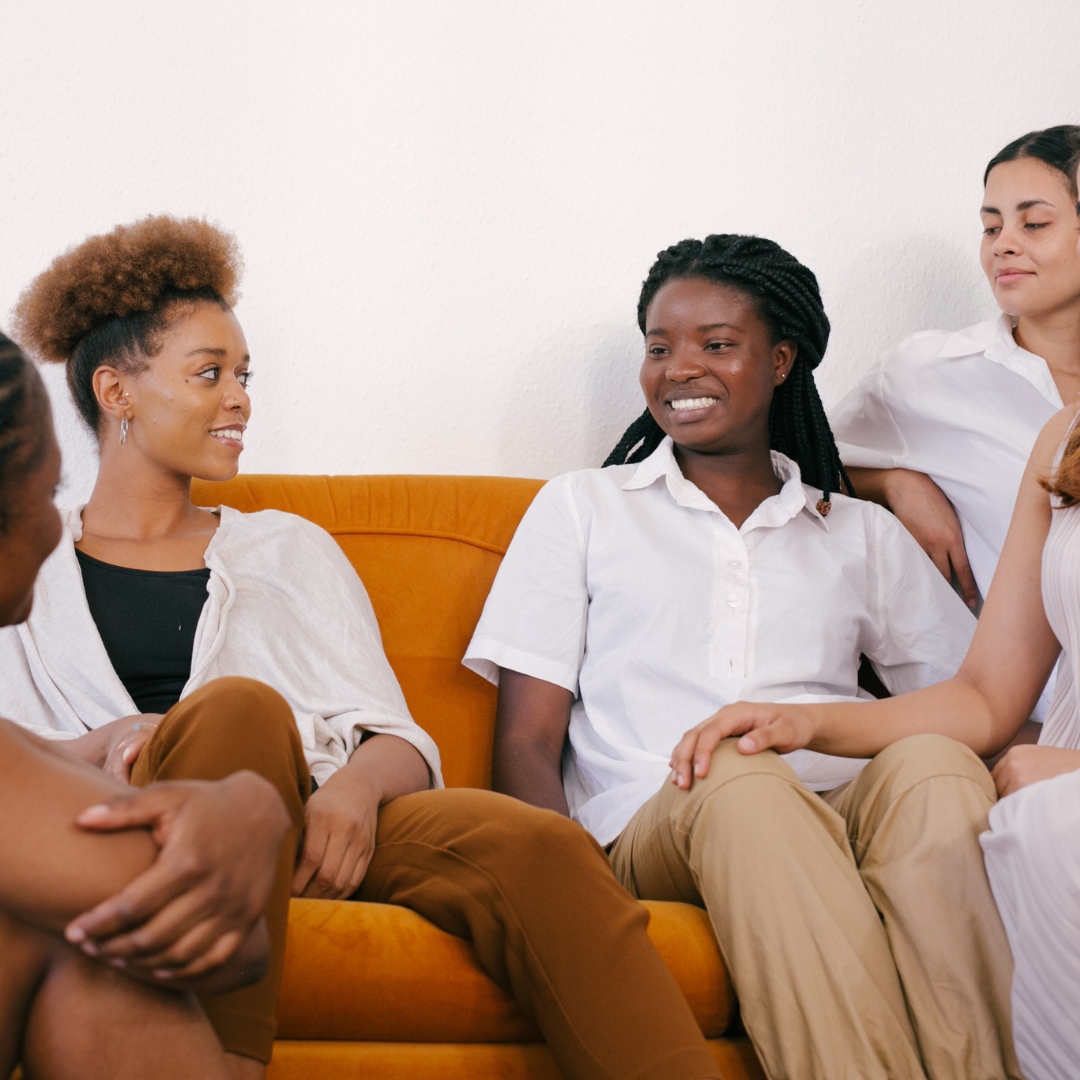
Here, we’ll explore:
Why group support is important to women’s mental health
Common topics and concerns women bring to group therapy
How group therapy can work in tandem with individual therapy
Why group support matters for women’s mental health
Group support is more than simply bringing together people with similar struggles. It’s an intentional therapeutic space that offers connection and shared wisdom. It’s a place to learn and grow together, as you build new skills and perspectives. Group settings can be especially transformative for women who often feel pressure to be strong or have it all together.
Community breaks the belief that you’re “the only one”
Shame thrives in isolation. It tells you your anxiety is a personal failure, your burnout is your fault, or your overwhelm means you should try harder.
Group spaces gently interrupt the belief that your struggles are a personal failure. When you hear someone share a common experience or say, “I thought I was the only one who felt this way,” you realize you’re not alone in your experiences or how you’ve been feeling.
Shared wisdom accelerates growth
We heal in relationship. Group therapy allows you to see different perspectives, learn new coping strategies, and understand patterns you may not catch on your own. It also allows you to show up for others, which strengthens your confidence, compassion, and sense of agency. Since group members are at different stages of growth, you get both inspiration and reassurance.
Group members often tell us:
“Someone else described my exact coping style.”
“I didn’t even realize that’s what I do until I heard her talk about it.”
“I was able to give myself more grace after hearing her talk about what she’s been through too.”
You build emotional tolerance and confidence within relationships.
Receiving care in a group helps strengthen your capacity to be seen, heard, and supported. For many women, this is powerful because we’re conditioned to prioritize others’ needs while minimizing our own. Group therapy also gives you a space to practice new skills and ways of being that help improve your relationships outside the therapy room.
Group support helps you:
Experience your emotions without shutting down
Experiment with new communication strategies
Practice vulnerability
Set boundaries and communicate needs
Strengthen your ability to receive care
Accountability becomes a source of encouragement, not pressure.
Change is easier when you’re not doing it in isolation. A group provides accountability that’s about encouragement, instead of criticism or performance. It’s about having people who notice your wins, check in when things feel heavy, and remind you of the goals you set when you were feeling hopeful and grounded. This kind of gentle accountability helps you create sustainable change in your life.
Healing becomes a practice, not a destination.
One of the misconceptions about mental health is that healing is a finish line. However, healing is more of a set of habits, nervous system tools, and relational skills you develop to use in your daily life, and over time, they become your new baseline.
Through group support, you can start building regular practices such as:
Boundary setting
Communication skills
Emotional identification
Grounding and breathing exercises
Self-compassion
Shifting your mindset
What shared healing looks like in group spaces
Group therapy at Avatar CBC is not a passive experience. It’s active and intentionally guided by a licensed psychologist or therapist who ensures that the space is safe, inclusive, culturally aware, and truly supportive.
Our shared healing practices may include:
Grounding and mindfulness exercises
Identifying patterns in relationships and communication
Learning boundaries and self-advocacy
Naming personal narratives and rewriting them with support
Peer encouragement and shared reflections
Practicing self-compassion with others
Processing grief, stressors, identity changes, or burnout with peers
Skills for managing anxiety, stress, and emotional overwhelm
Why women benefit deeply from group support
Many women carry invisible expectations to be strong, composed, available, capable, and selfless. These pressures make it hard to express vulnerability or ask for help.
In a supportive group, those expectations can finally loosen. You don’t have to perform or appear “fine.” You can just be human.
Group therapy allows women to:
Explore identity with less fear and more openness
Feel seen and like you belong
Practice receiving care
Reconnect with themselves
Rebuild self-trust
Rest in the presence of others
See your strength reflected back to you
Common themes that come up in group therapy for women
While every group has its own focus, many women come in navigating:
ADHD, neurodivergence, or executive functioning challenges
Anxiety and depression
Chronic stress and burnout
Difficulty regulating emotions
Feeling disconnected from themselves
Grief, loss, or identity changes
Low self-trust or self-criticism
People-pleasing and perfectionism
Relationship struggles or communication patterns
Group support allows you to approach these challenges with compassion and practical tools, all within a community that understands where you’re coming from.
How group support complements individual therapy
Group therapy can help you deepen and practice what you’re learning in individual therapy.
Together, they can foster:
A wider support network
Deeper integration of self-awareness and new perspectives
Faster progress
Stronger emotional skills
Many clients tell us that group work helped them unlock parts of their healing they never reached in individual therapy alone.
Group therapy at Avatar CBC
At Avatar Cognitive and Behavioral Center, our groups are designed specifically for women and neurodivergent individuals who want a balance of connection, insight, and evidence-based tools. Each group is facilitated by a licensed psychologist or therapist who balances clinical guidance with warmth, cultural awareness, and lived experience.
We offer the following group therapy programs:
Radiant Minds Collective: A group for neurodivergent women focusing on connection, understanding, and personal growth.
Rewrite - Rewire: A trauma-focused Cognitive Processing Therapy (CPT) group to help survivors rebuild their lives after trauma.
The Sisterhood Circle: A nurturing virtual community for modern women to share, connect, and thrive together.
Vitality Rise: A Cognitive Behavioral Therapy (CBT) group tailored to help women manage and overcome depression.
If you’re searching for connection and healing, or if you’re tired of holding everything by yourself, group support may be a great fit for you. Healing becomes easier when you’re surrounded by people who understand you and will walk with you through the hard parts.
You don’t have to do this alone.
Avatar CBC offers online Group Therapy for women across Florida in English and Spanish
We’ll help you find the group that fits your needs and goals.
Contact Avatar Cognitive and Behavioral Center today to begin Group Therapy
